
Properties Ready for Construction
Site Preparation in Pleasant Hill, Missouri for new builds, property additions, and outdoor projects that need stable, construction-ready ground
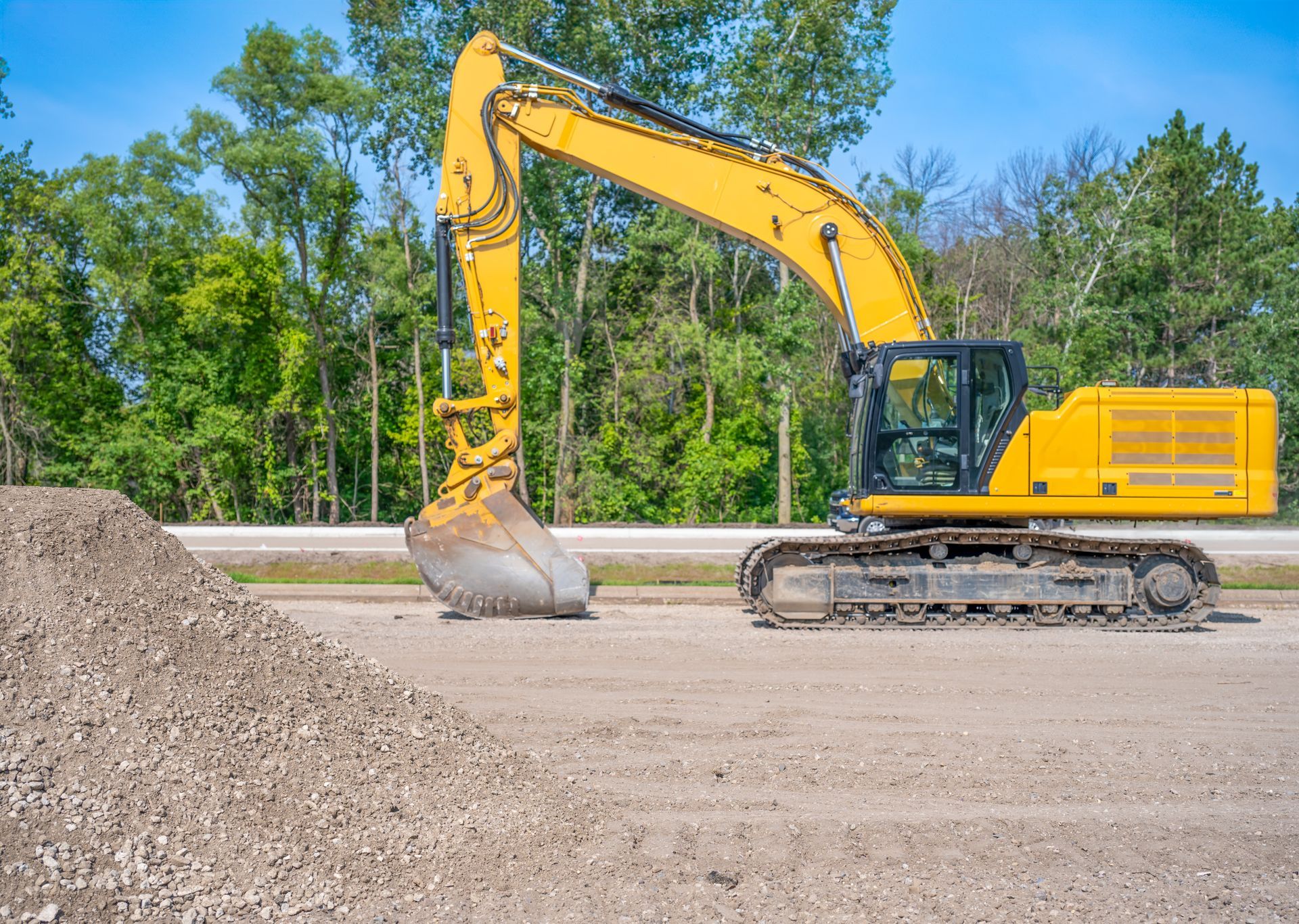
Vegetation removal, surface debris clearing, and rough grading happen before any foundation or utility work begins. Griggs And Badger Construction provides site preparation in Pleasant Hill, Missouri for residential construction, commercial builds, and large outdoor projects that require land clearing and leveling before crews can lay out foundation lines or dig utility trenches. The difference between a prepared site and a cleared lot is whether the ground drains correctly and whether heavy equipment can operate without creating ruts that compromise future grading.
Site prep includes removing trees and brush, stripping topsoil for later reuse, rough-grading the build area to match elevation plans, and setting up drainage flow patterns that prevent water from pooling near future foundation locations. This phase also identifies underground obstacles like old septic systems or buried debris that would interfere with excavation, allowing you to address those issues before they delay later work. Proper preparation turns uneven terrain into a stable work surface where foundation contractors and utility crews can operate efficiently.
Schedule a consultation to assess clearing requirements and timeline for your property's build phase.
Excavation and Site Preparation
Ground prep, drainage solutions, and land grading handled by one experienced crew.
Concrete Work
Structural concrete services integrated into the full scope of your build.
Kitchen and Bathroom Remodeling
Residential remodels managed start to finish without coordinating separate trades.
Roofing and Utility Work
Roofing and sewer work included in turn-key project delivery for residential and light commercial builds.
What You Notice Once Site Work Is Finished
Prepared sites provide clear boundaries for construction activities and stable surfaces that support heavy equipment without rutting or soil displacement. When finish grading follows initial site prep, the transition from cleared land to engineered surface happens in defined phases rather than as a series of corrections that add time and cost. You'll see staked corners marking foundation locations, established access routes that keep mud and debris confined to work zones, and drainage paths that direct runoff away from excavation areas.
After site preparation, foundation crews arrive to a work area free of stumps, roots, and buried obstacles that would require hand digging or equipment repositioning. Utility contractors trench along pre-marked routes without encountering unexpected rock layers or debris piles, and concrete trucks travel across stabilized paths that don't shift under load. The build progresses faster because each trade works on predictable ground rather than adapting to site conditions discovered during their phase.
This service often combines with excavation and grading to provide a continuous workflow from raw land to finished pad, reducing the number of equipment mobilizations and compacting schedules. Sites prepared with attention to drainage and access prevent the erosion and mud issues that halt construction during wet weather common in Missouri's spring and fall months.
Common Questions About This Service
Property owners preparing for construction often ask about the sequence of work and what site prep includes, especially when coordinating multiple contractors.
What gets removed during site preparation?
All vegetation within the build footprint and access routes, plus topsoil stripped from areas where structures or paving will sit, leaving subsoil exposed for compaction and foundation work.
How does site prep affect your construction timeline?
Proper preparation eliminates delays caused by equipment getting stuck, contractors encountering buried debris, or drainage issues flooding work areas, typically saving more time than the prep phase itself requires.
When should site preparation happen relative to other phases?
After surveys and permits are finalized but before any excavation or utility trenching begins, allowing cleared areas to settle slightly and revealing any subsurface conditions that affect foundation design.
Why does drainage setup matter during site prep?
Water pooling near future foundation locations saturates soil and delays concrete work, so establishing runoff paths during initial clearing prevents those interruptions later.
How do soil conditions in Pleasant Hill affect site preparation?
Clay content in local soils means stripped areas need proper compaction before construction traffic begins, or the ground becomes rutted and unstable during wet periods typical of the region.
Griggs And Badger Construction coordinates site prep with your construction schedule, so the property transitions smoothly from clearing to foundation work without weather-related delays or access problems. Request a site evaluation to outline clearing scope and preparation timeline for your specific project requirements.