
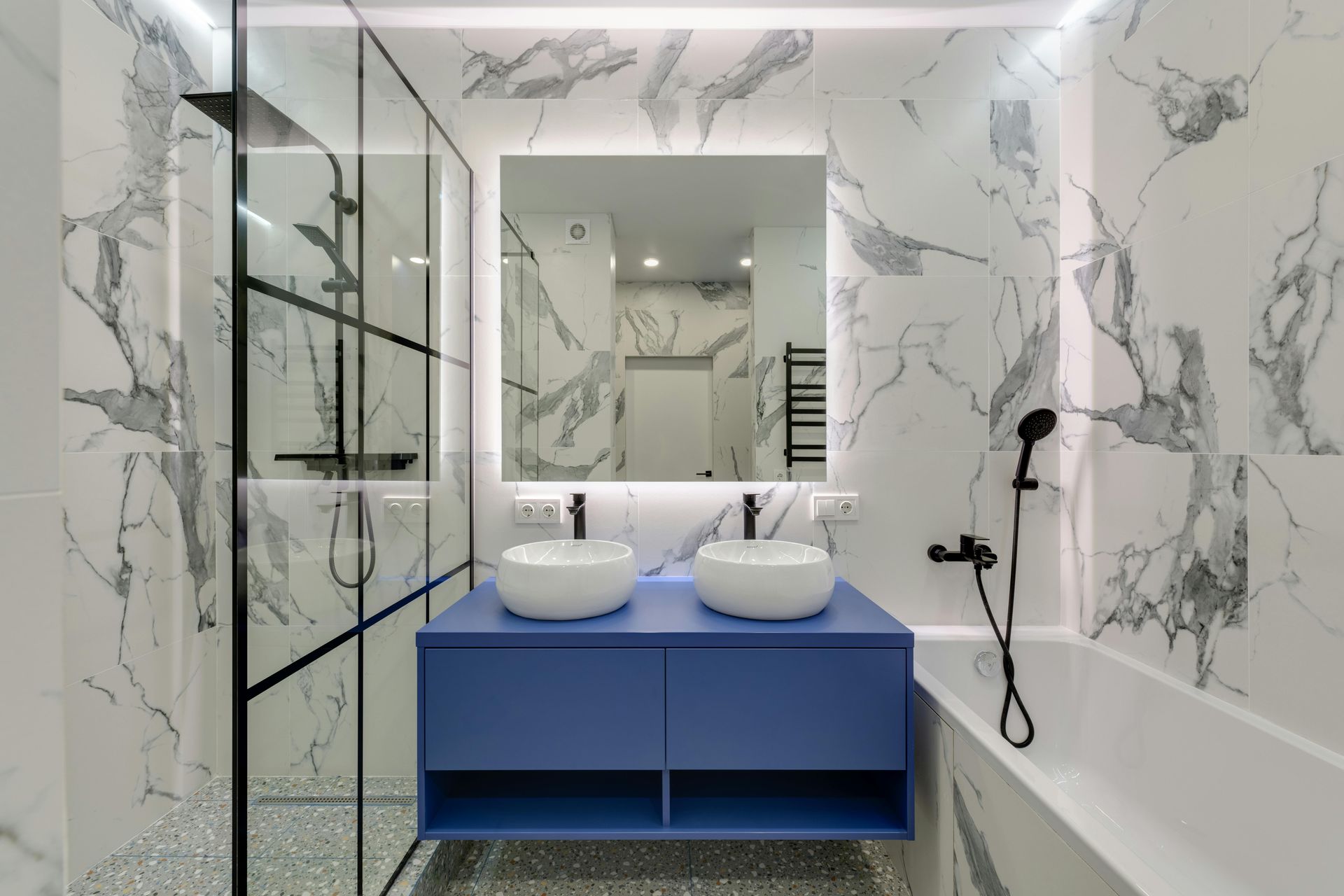
Bathrooms That Work Without Constant Repairs
Bathroom Remodeling in Pleasant Hill, Missouri for cramped layouts, failing plumbing fixtures, and finishes that trap moisture and promote mold growth
Older bathrooms often suffer from poor ventilation, inadequate waterproofing, and plumbing that leaks or restricts flow, leading to recurring maintenance and water damage. The service involves layout reconfiguration, plumbing updates, fixture replacement, and moisture-resistant finishes that address both function and durability. Griggs And Badger Construction handles complete bathroom renovations in Pleasant Hill, Missouri, managing all trades from demolition through final trim, which removes the coordination burden of scheduling separate plumbers, electricians, tile setters, and finish carpenters.
Bathroom remodeling typically starts with fixture and finish removal to expose the underlying plumbing, framing, and subfloor conditions, then rough plumbing and electrical are updated or relocated, waterproofing membranes are installed in wet areas, and new fixtures, tile, and finishes are installed in sequence. Proper waterproofing behind tile and around tub and shower enclosures prevents moisture from reaching framing and subfloor, which is where most long-term damage occurs even when the visible surfaces look intact. The turn-key process allows adjustments to framing, plumbing, and electrical to happen in real time as the project progresses, rather than waiting days for a separate contractor to return.
Schedule a bathroom renovation consultation to review layout options and identify plumbing or ventilation issues that need to be addressed.
Excavation and Site Preparation
Ground prep, drainage solutions, and land grading handled by one experienced crew.
Concrete Work
Structural concrete services integrated into the full scope of your build.
Kitchen and Bathroom Remodeling
Residential remodels managed start to finish without coordinating separate trades.
Roofing and Utility Work
Roofing and sewer work included in turn-key project delivery for residential and light commercial builds.
The Difference Between Surface Updates and Full Bathroom Renovation
A full bathroom remodel replaces fixtures, updates plumbing supply and drain lines, installs proper ventilation, applies waterproof membranes in shower and tub areas, and finishes with tile, cabinetry, and trim that resist moisture exposure. If the layout changes to accommodate a larger shower, double vanity, or relocated toilet, drain lines must be rerouted and venting must comply with plumbing code, which often requires opening walls and floors.
After completion, the bathroom drains reliably without slow discharge or gurgling, fixtures operate smoothly with consistent water pressure and temperature control, and surfaces dry quickly without trapping moisture in grout joints or behind wall finishes. Ventilation removes steam during showers rather than allowing it to condense on ceilings and walls, which reduces mold growth and paint failure. Floors remain level and solid underfoot, and tile installations stay bonded without cracking or delaminating due to subfloor flex or inadequate adhesive coverage.
Because the same contractor manages rough plumbing, waterproofing, tile setting, and finish work, transitions between phases happen without scheduling gaps or miscommunication about substrate conditions. This integration also simplifies warranty and service—if an issue develops with fixture installation or finish performance, there's no question about which contractor is responsible or who returns to correct it.
Common Questions About This Service
Homeowners in Pleasant Hill often ask about moisture control, fixture selection, and what the remodeling process involves before beginning a bathroom renovation.
What waterproofing is required behind bathroom tile?
Wet areas such as showers and tub surrounds require a waterproof membrane installed over the substrate before tile, preventing water from penetrating to the framing and causing rot, even if grout joints eventually crack or deteriorate.
How does proper ventilation prevent bathroom mold?
Exhaust fans sized and ducted correctly remove humid air during and after showers, reducing moisture that condenses on cold surfaces and creates conditions for mold growth on ceilings, walls, and grout lines.
Why do some bathrooms require subfloor replacement during remodeling?
Years of minor leaks, condensation, and trapped moisture often rot the subfloor around toilets and tubs, and the damage only becomes visible once old fixtures and flooring are removed during demolition.
When should a bathroom layout be changed versus keeping the existing footprint?
Layout changes make sense when the current fixture arrangement wastes space, prevents accessible features, or creates awkward traffic flow, but relocating drains and vents adds cost and complexity compared to updating fixtures in place.
What's the advantage of handling plumbing and finishes under one contractor?
Coordinating rough plumbing with tile layout, fixture placement, and final trim under one project eliminates scheduling delays and ensures that substrate prep, waterproofing, and finish installation follow a continuous sequence without gaps or conflicting instructions between trades.
Griggs And Badger Construction evaluates existing conditions during the consultation phase to identify hidden moisture damage, plumbing limitations, and ventilation deficiencies that affect the renovation scope. Request a detailed estimate based on your bathroom's current layout and condition.