Ground Work That Sets the Stage
Excavation in Pleasant Hill, Missouri for new construction sites, utility line installation, and foundation prep that requires precision
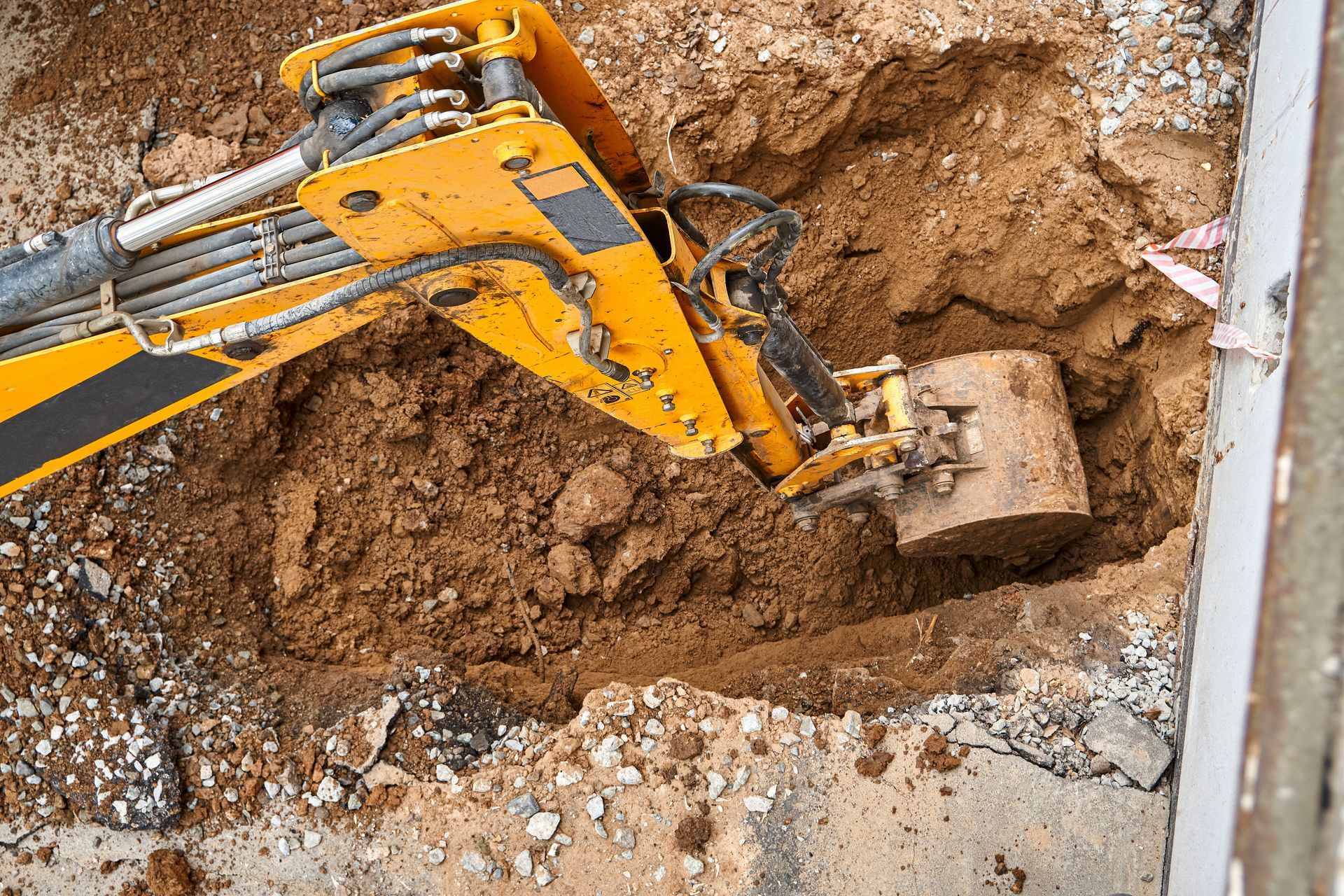
Griggs And Badger Construction handles excavation work in Pleasant Hill, Missouri for residential builds, commercial projects, and utility installations that need accurate depth control and proper soil management. The Kansas City metro area includes clay-heavy soils that compact differently than sandy loam, which affects how trenches hold their shape and how foundation areas settle after digging. You'll work with a crew that understands how local soil behaves under excavation equipment and what that means for the stability of your build.
Excavation includes trenching for utility lines, digging foundation footings to engineered specifications, and removing soil in layers to maintain grade accuracy. Proper soil handling during excavation prevents voids under slabs and uneven settling that shows up months after construction finishes. The work involves matching the dig depth to your foundation drawings, sloping trench walls to meet safety codes, and staging removed soil for grading or hauling based on what your project timeline requires.
Request a project estimate that accounts for your site's soil type and access requirements.
Excavation and Site Preparation
Ground prep, drainage solutions, and land grading handled by one experienced crew.
Concrete Work
Structural concrete services integrated into the full scope of your build.
Kitchen and Bathroom Remodeling
Residential remodels managed start to finish without coordinating separate trades.
Roofing and Utility Work
Roofing and sewer work included in turn-key project delivery for residential and light commercial builds.
What Proper Excavation Prevents Long-Term
Your excavation depth and wall stability determine whether your foundation pours go smoothly or require rework. When trenches collapse or bottom elevations vary by more than an inch across a footing run, concrete crews spend additional time leveling and repairing before they can begin forming. Clay soils in the Pleasant Hill area hold moisture longer than other soil types, which means trench walls need proper sloping or shoring even when the ground looks stable at the surface.
After excavation wraps, you'll notice foundation crews can begin forming immediately without correcting depths or clearing loose soil from trench bottoms. Utility lines sit at consistent grades that prevent low spots where water pools and causes long-term pipe stress. Graded surfaces shed water away from dig areas rather than channeling runoff back into open trenches, which keeps your construction schedule on pace and prevents soil saturation that delays concrete pours.
The work integrates with concrete placement and utility rough-ins, so accurate excavation reduces the need for hand digging and adjustments that slow down subsequent trades. Projects that start with clean excavation avoid the costs of importing additional fill material or recompacting areas where equipment disturbed more soil than necessary.
Questions Before Starting Your Project
Excavation work varies depending on soil conditions, site access, and the type of construction your project requires, so understanding what affects the process helps you plan effectively.
What site conditions affect excavation difficulty?
Clay content, groundwater levels, and existing utilities all change how excavation proceeds, with wet clay requiring more time to remove cleanly and utility crossings requiring hand digging or vacuum excavation to avoid damaging underground lines.
How does excavation timing affect the rest of a build?
Digging too early leaves trenches exposed to rain and erosion, while delays push back every trade that follows, so scheduling excavation to align with foundation crews and concrete delivery keeps the project moving without weather-related setbacks.
What happens to the soil removed during excavation?
Depending on soil quality and project needs, removed material either gets stockpiled on-site for backfill and final grading or hauled away if it contains too much clay or organic matter to use as structural fill.
Why does trench width matter for utility lines?
Wider trenches allow room for workers to compact backfill in layers around pipes, which prevents settling that causes surface dips and stresses pipe joints years after installation.
How do local soil conditions in Pleasant Hill affect excavation planning?
The region's clay soils expand when wet and shrink during dry periods, so excavation includes accounting for how moisture cycles affect trench stability and foundation support over time.
Griggs And Badger Construction schedules excavation to match your construction timeline and site conditions, so foundation and utility work can proceed without delays caused by unstable trenches or incorrect depths. Arrange an on-site review to identify access routes and soil characteristics before equipment mobilization.