
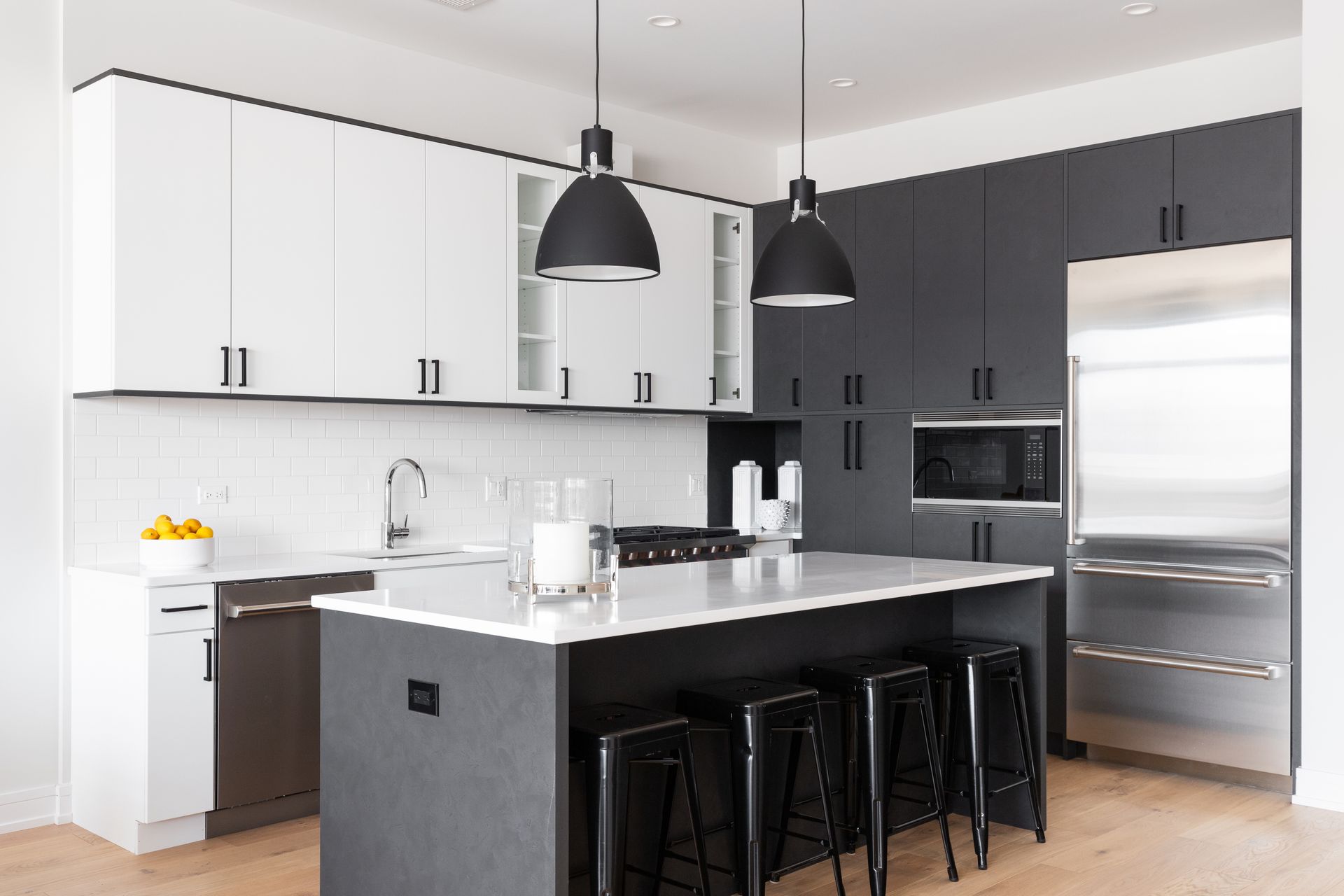
Functional Layouts That Match How You Work
Kitchen Remodeling in Pleasant Hill, Missouri for outdated layouts, worn finishes, and plumbing or electrical systems that limit modern appliance use
Kitchens that no longer support daily meal preparation, storage needs, or updated appliances often require layout changes, new plumbing runs, and structural modifications that go beyond cosmetic updates. Griggs And Badger Construction manages full kitchen renovations in Pleasant Hill, Missouri, handling everything from wall removal and load-bearing adjustments to fixture installation and finish work. Because plumbing, structural, and finish trades are coordinated under one contractor, changes to the layout don't require waiting for separate crews or managing conflicting schedules between electricians, plumbers, and carpenters.
The remodeling process typically begins with layout planning to confirm whether walls can be moved, plumbing can be rerouted, and electrical capacity supports new appliances. Once the design is set, demolition exposes existing framing and utility lines, structural changes are completed, then rough plumbing and electrical are installed before drywall, cabinetry, and finishes go in. This sequence matters because rerouting a drain line or adding a vent stack affects framing, and framing changes affect where cabinets and countertops can be placed.
Start a kitchen remodeling project by reviewing your current layout and identifying functional limitations that need to be addressed.
Excavation and Site Preparation
Ground prep, drainage solutions, and land grading handled by one experienced crew.
Concrete Work
Structural concrete services integrated into the full scope of your build.
Kitchen and Bathroom Remodeling
Residential remodels managed start to finish without coordinating separate trades.
Roofing and Utility Work
Roofing and sewer work included in turn-key project delivery for residential and light commercial builds.
How Kitchen Remodeling Addresses Layout and System Limitations
A full kitchen remodel involves removing outdated cabinets and finishes, relocating or adding plumbing and electrical lines, making structural modifications to open up space or add support, then installing new cabinetry, countertops, flooring, and fixtures. If the goal includes adding an island or moving the sink location, drain and vent lines must be rerouted through the floor or walls, which often requires access from below or coordination with structural framing.
Once the project is complete, you'll notice improved workflow between cooking zones, adequate storage that eliminates countertop clutter, and updated fixtures that no longer leak or restrict water pressure. Cabinets close smoothly without sticking, countertops provide uninterrupted work surfaces, and appliances fit properly without gaps or forced positioning. Lighting becomes task-focused rather than relying solely on a single overhead fixture, and outlets are positioned where you actually use small appliances rather than requiring extension cords.
The turn-key approach means one team handles demolition, structural work, plumbing, electrical, and finish installation, which eliminates delays caused by waiting for the plumber to return after the framer finishes or coordinating cabinet delivery with the electrician's availability. It also simplifies accountability—when an issue arises during installation, the same contractor addresses it without finger-pointing between separate trades.
Answers to Frequent Service Questions
Property owners usually want to know what the remodeling process involves, how long it takes, and what changes are structurally feasible before committing to a full kitchen renovation.
What structural changes are typically required to open a kitchen to an adjacent room?
Removing a wall between a kitchen and dining area usually requires installing a load-bearing beam to carry the ceiling or roof load above, which involves temporary support, header installation, and sometimes foundation or floor reinforcement depending on span and load.
How does plumbing relocation affect the project timeline?
Moving a sink or adding a dishwasher in a new location requires rerouting drain and supply lines, which may involve cutting into floors or walls, adding vent stacks to meet code, and coordinating rough plumbing before drywall and cabinetry installation can proceed.
Why do some kitchens require electrical panel upgrades during remodeling?
Modern kitchens often include high-draw appliances like induction ranges, large refrigerators, and multiple small appliance circuits, and older panels may lack the capacity or available breaker slots to support these loads safely.
When should countertops be templated during the remodel?
Countertop templating happens after cabinets are installed and leveled, since the template must match the actual cabinet layout and account for any field adjustments made during installation to correct for out-of-level floors or wall irregularities.
What's included in a full kitchen remodel versus a cosmetic update?
A full remodel addresses layout, plumbing, electrical, structural changes, and all finishes, while a cosmetic update typically replaces visible elements like cabinets, countertops, and flooring without moving walls, rerouting utilities, or changing the basic footprint.
Griggs And Badger Construction evaluates your current kitchen layout and structural conditions to determine what changes are feasible and what permits or system upgrades will be required. Arrange an on-site consultation to review your remodeling goals and develop a project plan.