Water Directed Where It Belongs
Drainage Solutions in Pleasant Hill, Missouri for properties with pooling water, foundation moisture issues, and erosion damage around structures
Standing water near foundations, eroded landscaping, and saturated yard sections signal that your property's drainage system can't handle the volume or direction of runoff. Griggs And Badger Construction designs drainage solutions in Pleasant Hill, Missouri for residential yards and commercial properties where water flow patterns cause structural risk or limit property use. Local clay soils drain slowly compared to sandy or loamy ground, which means runoff from roofs and paved surfaces needs intentional routing rather than relying on natural absorption.
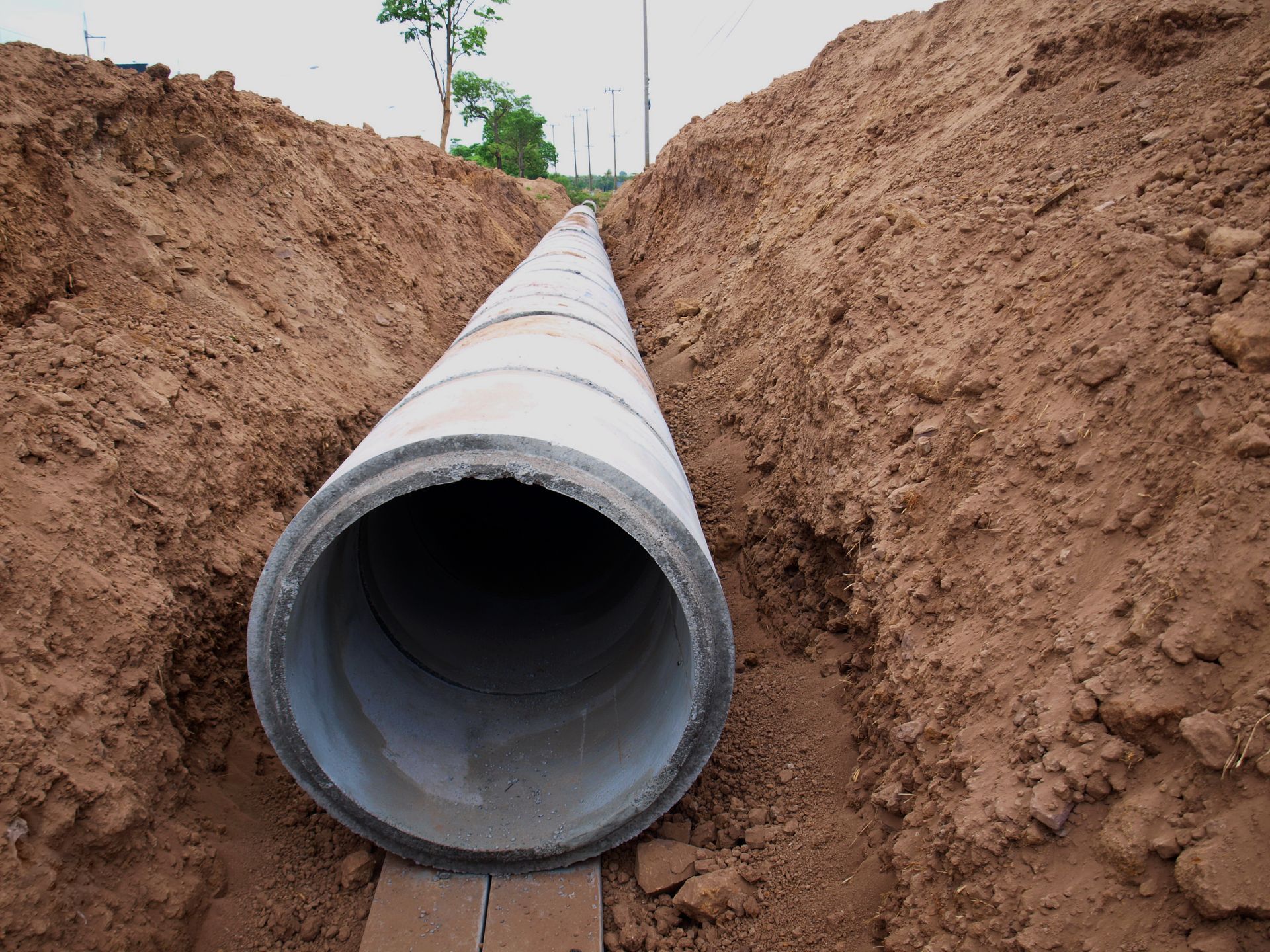
Drainage work includes regrading surfaces to redirect water away from buildings, installing trench drains in low areas where water collects, and creating runoff channels that move water to appropriate discharge points. The approach varies based on whether your problem stems from insufficient slope, compacted soil that won't absorb water, or concentrated flow from impermeable surfaces like driveways and roofs. Properly designed drainage prevents the basement seepage and foundation settling that result from prolonged soil saturation around building perimeters.
Arrange a property assessment to identify water flow patterns and develop a site-specific drainage plan.
Excavation and Site Preparation
Ground prep, drainage solutions, and land grading handled by one experienced crew.
Concrete Work
Structural concrete services integrated into the full scope of your build.
Kitchen and Bathroom Remodeling
Residential remodels managed start to finish without coordinating separate trades.
Roofing and Utility Work
Roofing and sewer work included in turn-key project delivery for residential and light commercial builds.
How Drainage Systems Address Water Problems
Effective drainage changes where water goes rather than how much falls on your property, moving runoff to areas where it can absorb safely or exit through storm systems. Installation involves cutting trenches for drain lines, setting grades that maintain consistent flow without allowing sediment to settle and clog pipes, and creating surface swales or berms that guide sheet flow around structures rather than toward them.
Once drainage systems are in place, you'll notice water clearing from problem areas within hours of rainfall instead of pooling for days. Landscaping around your foundation stops eroding because runoff follows controlled paths rather than cutting channels through mulch and soil. Basements stay dry during storms that previously caused seepage, and outdoor spaces become usable sooner after rain because standing water drains into designed outlets. Griggs And Badger Construction integrates drainage work with grading and excavation services, addressing multiple water management needs in a single project phase.
Custom solutions account for your property's specific conditions—whether that means tying into existing storm drains, creating dry wells for water absorption, or building French drains that intercept groundwater before it reaches foundation walls. The system components depend on soil permeability, lot slope, and where water can legally discharge in your area.
Answers to Frequent Service Questions
Understanding how drainage systems function and what installation requires helps property owners make informed decisions about solving water problems.
What causes drainage problems that weren't present when a property was new?
Soil compaction from years of foot traffic and equipment use reduces absorption rates, while settling changes the original grading slopes that directed water away from structures.
How do you determine where drainage systems should discharge?
Local regulations dictate whether water can flow to streets, neighboring properties, or must be absorbed on-site through dry wells or infiltration areas, which affects system design and placement.
Why does clay soil in Pleasant Hill make drainage more challenging?
Clay absorbs water slowly and swells when saturated, so systems must move water laterally through pipes and channels rather than expecting it to soak into the ground quickly.
When should you install drainage systems relative to other site work?
After major grading is complete but before final landscaping or paving, allowing drain lines to integrate with finished grades without requiring later excavation through completed surfaces.
What maintenance do drainage systems require?
Periodic inspection of inlet grates and cleanouts to remove leaves and sediment that reduce flow capacity, typically needed once or twice annually depending on nearby vegetation.
Griggs And Badger Construction evaluates your property's topography, soil conditions, and runoff sources to design drainage solutions that address current problems and prevent future water damage. Contact the team to schedule an evaluation and receive a project-specific drainage proposal.