
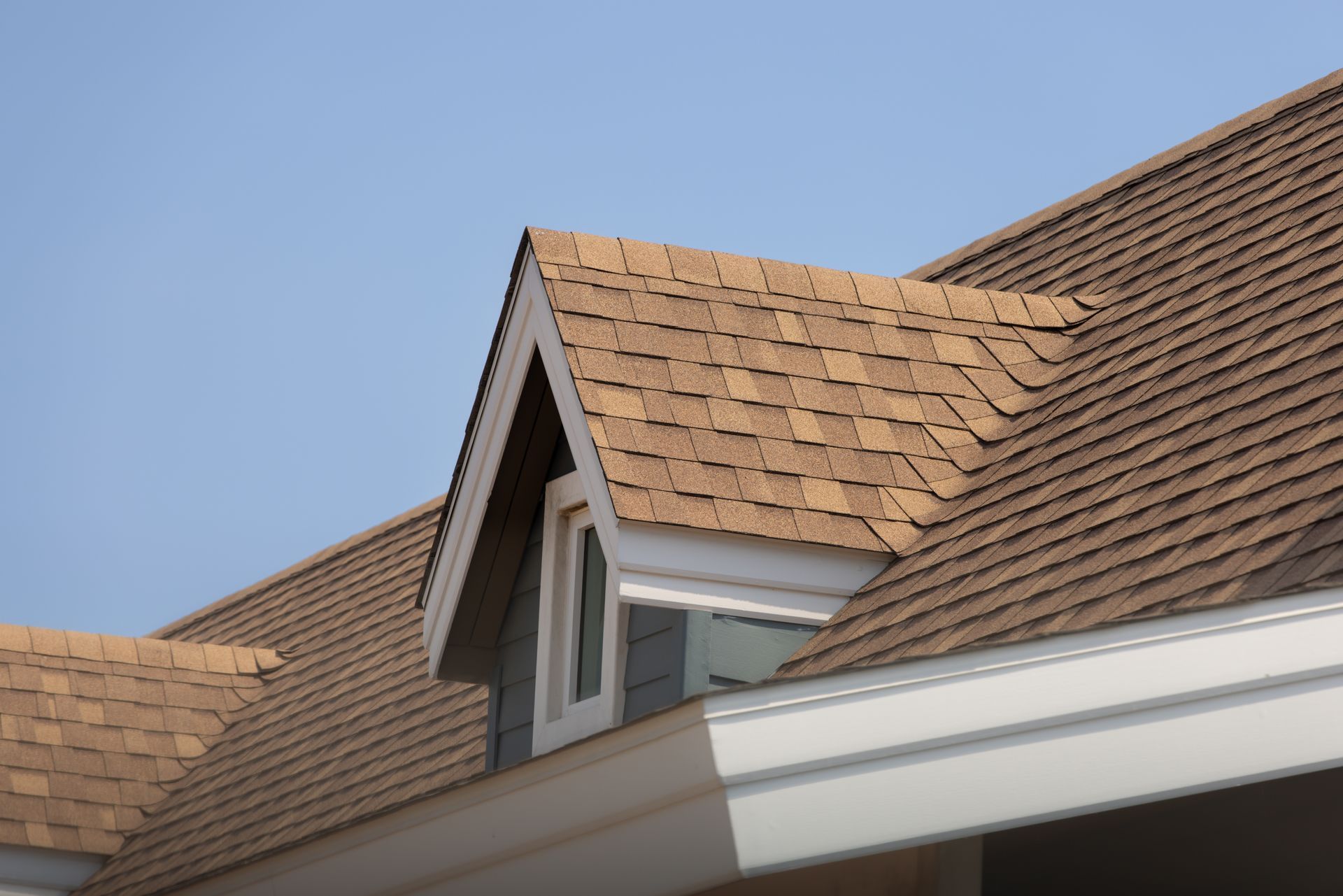
Protection That Handles Missouri Weather Cycles
Roofing in Pleasant Hill, Missouri for new construction, additions, and full home renovations where the roof must integrate with structural changes and exterior finishes
Missouri's freeze-thaw cycles, summer heat, and severe storm activity stress roofing systems through expansion, contraction, ice damming, and wind uplift, making proper installation and integration with the overall structure critical for long-term performance. Roofing services from Griggs And Badger Construction in Pleasant Hill, Missouri are managed as part of full construction and remodeling projects, which means roof installation is coordinated with framing, exterior trim, and siding work under one schedule. This approach prevents delays caused by waiting for a separate roofing crew and ensures that flashing, ventilation, and drainage details are planned during the framing phase rather than retrofitted after the fact.
The installation process includes sheathing inspection or replacement, underlayment installation that provides secondary water protection, flashing around penetrations and roof-to-wall transitions, shingle or panel installation following manufacturer specifications, and ridge and soffit ventilation to control attic temperature and moisture. In Missouri, ice dams form when heat escaping through the roof deck melts snow that refreezes at the eaves, so proper attic ventilation and insulation placement are as important as the shingle quality itself.
Request roofing services or include them in a full project consultation to review structural requirements and material options for your build or renovation.
Excavation and Site Preparation
Ground prep, drainage solutions, and land grading handled by one experienced crew.
Concrete Work
Structural concrete services integrated into the full scope of your build.
Kitchen and Bathroom Remodeling
Residential remodels managed start to finish without coordinating separate trades.
Roofing and Utility Work
Roofing and sewer work included in turn-key project delivery for residential and light commercial builds.
What You Notice Once Roofing Is Finished
Roof installation begins with confirming that sheathing is sound and properly fastened, then applying underlayment that sheds water even if shingles are damaged or blown off. Flashing is installed at valleys, chimneys, vent pipes, and where the roof meets vertical walls, creating sealed transitions that prevent water infiltration. Shingles are laid in courses with correct overlap and fastener placement, and ridge vents are installed to allow hot air to exit the attic while intake vents at the soffits draw cooler air in from below.
Once the roof is complete, you'll see a surface that sheds water toward gutters without pooling or back-flowing under shingles, flashing that remains sealed during temperature swings, and an attic that stays cooler in summer and drier in winter due to continuous ventilation. Shingles lie flat without curling or lifting at the edges, and fasteners remain concealed rather than backing out over time. Inside, ceilings stay dry during rain events, and insulation remains effective because moisture isn't condensing on the underside of the roof deck.
Because roofing is completed by the same crew managing the overall project, transitions between framing, sheathing, roofing, and exterior trim happen without scheduling conflicts or disagreements about flashing responsibility when water infiltration occurs. This integration is especially important during additions or renovations where the new roof must tie into existing structures without creating vulnerable seams or drainage problems.
What Property Owners Usually Ask
Questions about roofing typically focus on ventilation, material durability, and how roof installation coordinates with the rest of the construction project.
What causes ice dams on Missouri roofs?
Ice dams form when attic heat melts snow on the upper roof, and the runoff refreezes at the colder eaves, creating a barrier that forces meltwater under shingles and into the structure, typically indicating inadequate attic insulation or ventilation.
How does roof ventilation affect shingle lifespan?
Proper ventilation keeps attic temperatures closer to outdoor temperatures, reducing heat buildup that accelerates shingle aging and preventing moisture accumulation that rots sheathing and framing from the inside.
Why is underlayment important if shingles are the visible waterproof layer?
Underlayment provides a secondary water barrier in case shingles are damaged by wind, hail, or ice, and it protects the sheathing during installation before the final roofing is in place.
When should roofing be replaced during a renovation instead of left in place?
If the existing roof is nearing the end of its service life, has missing or damaged shingles, or shows signs of leaking, replacing it during the renovation prevents having to set up scaffolding and disrupt the property again within a few years.
What happens when roofing is handled separately from the rest of a construction project?
Separate roofing contractors often install flashing and ventilation based on the roof alone, without coordinating with framing details, siding installation, or interior insulation plans, which can create gaps in weather protection or ventilation performance.
Griggs And Badger Construction integrates roofing with framing, insulation, and exterior finish work to create a continuous weather barrier and properly functioning ventilation system. Discuss your project scope to determine whether roofing should be included in your new build, addition, or full renovation plan.